
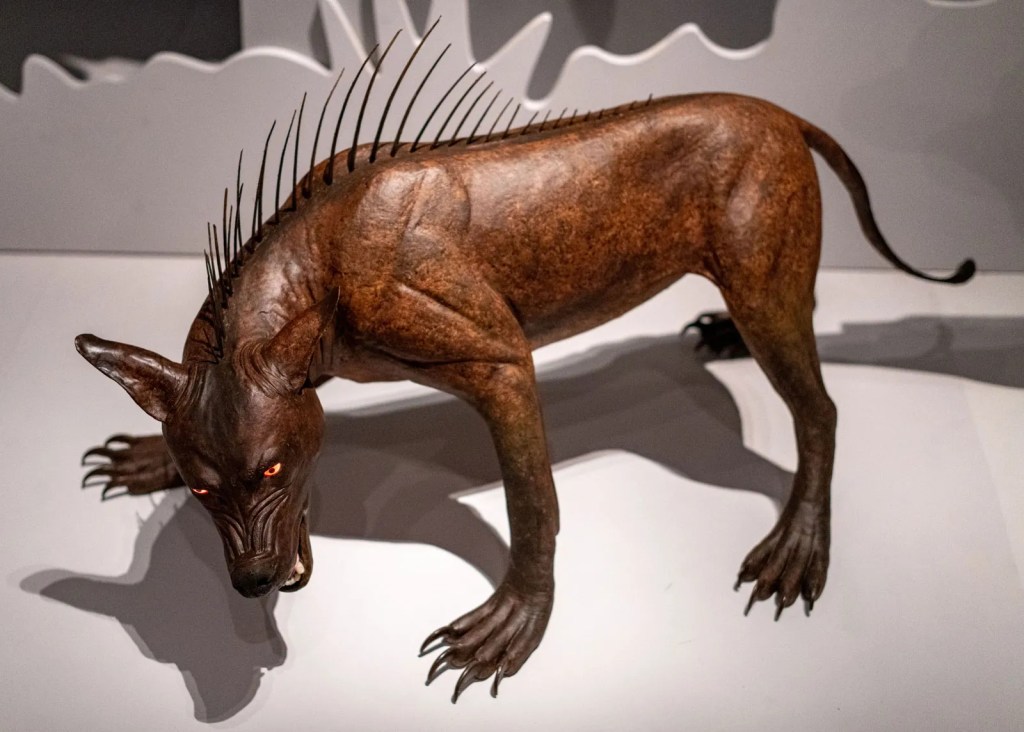
In the records of the world’s most intriguing folklore creatures, few have garnered as much fascination as the elusive Chupacabra, a creature that is said to inhabit parts of the Americas. Its name, derived from Spanish, literally translates to “goat-sucker,” alluding to its alleged habit of attacking and drinking the blood of livestock, particularly goats. This article aims to delve deeper into the story of this enigmatic creature, its origins, and its impact on popular culture.
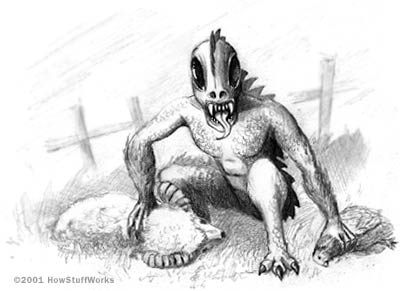
The first reported sightings of the Chupacabra emerged in Puerto Rico in the mid-1990s. Eyewitness accounts described the creature as a reptile-like being, approximately 3 to 4 feet tall, with glowing red eyes, spines running along its back, and a foul odor. It was said to hop like a kangaroo and was often linked to unusual livestock deaths.
As the legend spread, sightings of the Chupacabra migrated with it. Reports came from various parts of the United States, Mexico, and even as far south as Chile. However, the creature’s description began to shift. In many of these new accounts, the Chupacabra was portrayed less as a reptilian entity and more as a hairless, dog-like creature, albeit still with the trademark predilection for livestock blood.
Many proposed explanations for the Chupacabra phenomenon have come from the scientific community. Skeptics and scientists alike have pointed out that the descriptions and supposed behaviors of the Chupacabra closely match those of known animals, particularly those suffering from certain diseases.
The canine version of the Chupacabra, for example, bears striking resemblances to dogs or coyotes with Sarcoptic mange, a condition caused by mites that results in hair loss, skin lesions, and a hunched, painful gait. This disease can also cause affected animals to behave unusually and may even result in a more pronounced predatory instinct, potentially explaining the livestock attacks attributed to the Chupacabra.
The Chupacabra, much like its cryptid counterparts such as Bigfoot or the Loch Ness Monster, serves as a fascinating case study of the human tendency to mythologize the unknown. While the creature’s existence remains unproven, the allure of the Chupacabra, both as a subject of fear and fascination, continues to captivate audiences worldwide. The legend serves as a reminder of the power of folklore, storytelling, and the human imagination. Regardless of the truth of its existence, the Chupacabra is unlikely to fade from our collective consciousness anytime soon.




 northamericanmysteries.com
Leave a comment