
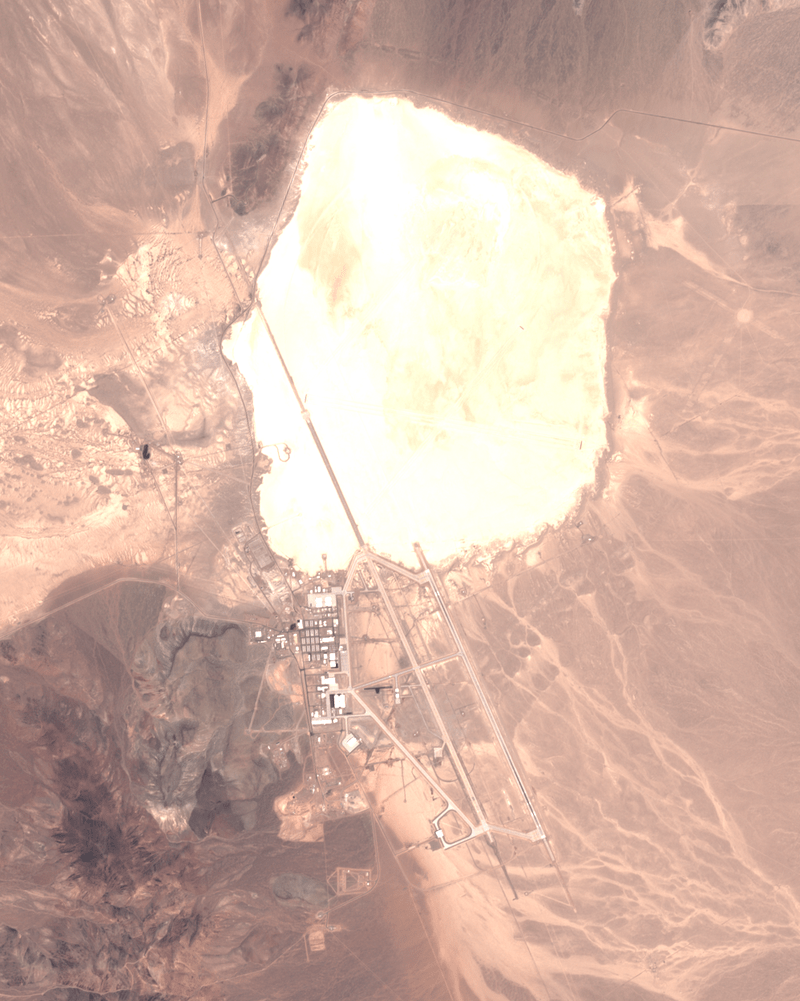
Area 51, a moniker that has almost become synonymous with mystery and intrigue, is a U.S. military base nestled within the rugged, arid desert of southern Nevada. Its exact location is about 150 miles north of Las Vegas. Despite its relatively remote location, the base has, for decades, been a nexus of speculation, suspicion, and a staple of modern-day UFO folklore. What really lies within this highly secure, top-secret facility has been the subject of much debate and conjecture, breeding a culture of conspiracies and lore that has gripped the world’s imagination for years.
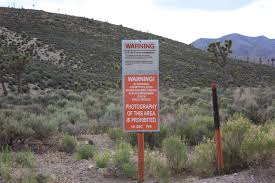
Area 51’s origins date back to the Cold War, a time when international tensions were high, and secrecy was paramount. Officially known as Homey Airport (KXTA) or Groom Lake (named after the salt flat situated next to its airfield), the base was established in the 1950s as a testing site for the U-2, a high-altitude reconnaissance aircraft. Over the years, the facility has been linked to numerous other military projects, including the development and testing of other experimental aircraft and weapons systems.
Despite the secrecy shrouding Area 51, some information has trickled into the public sphere, primarily through declassified documents. It has been confirmed that the site has served as the development and testing ground for aircraft such as the A-12 OXCART, the stealthy F-117 Nighthawk, and potentially others still unknown. Nevertheless, the veil of secrecy is rarely lifted, and this limited disclosure has only served to fuel the speculation about what other projects might be housed within its borders.
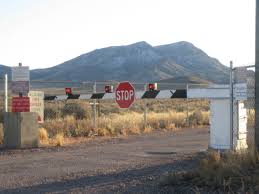
The connection between Area 51 and extraterrestrial phenomena started gaining traction in the late 1980s when a man named Bob Lazar claimed to have worked on reverse-engineering alien technology at a site near Area 51. While Lazar’s claims have been widely discredited and remain the subject of intense debate, they sparked an international interest in Area 51 that continues to this day.
The U.S. government’s historic reluctance to acknowledge the existence of Area 51, coupled with its well-documented role in developing cutting-edge, otherworldly technology, provides fertile ground for speculation. The sightings of unexplained aircraft around the site have often been linked to aliens and UFOs. Although many of these sightings can be attributed to the testing of secret aircraft, the folklore around extraterrestrial activity has become an inseparable part of Area 51’s identity.
In 2013, after years of avoiding the issue, the CIA officially acknowledged the existence of Area 51 for the first time in a declassified report. Yet, the agency remained tight-lipped about the specifics of what went on there, simply confirming its use as a testing ground for reconnaissance programs. This acknowledgement did little to quell the public’s fascination and theories about extraterrestrial encounters.
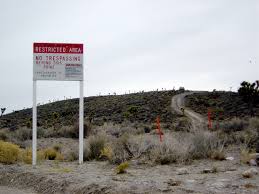
As it stands, Area 51 is a paradox of known and unknown. While we know it to be a base for the testing and development of top-secret military technology, the aura of mystery that surrounds it suggests that there might be more to it than meets the eye. While it’s plausible and even likely that the base holds no extraterrestrial secrets, it remains a potent symbol of our collective curiosity and our enduring fascination with the unknown. In the realm of human knowledge, the allure of Area 51 is a testament to the fact that, often, the greatest intrigue lies not in what we know, but in what we have yet to discover.




 northamericanmysteries.com
Leave a comment