
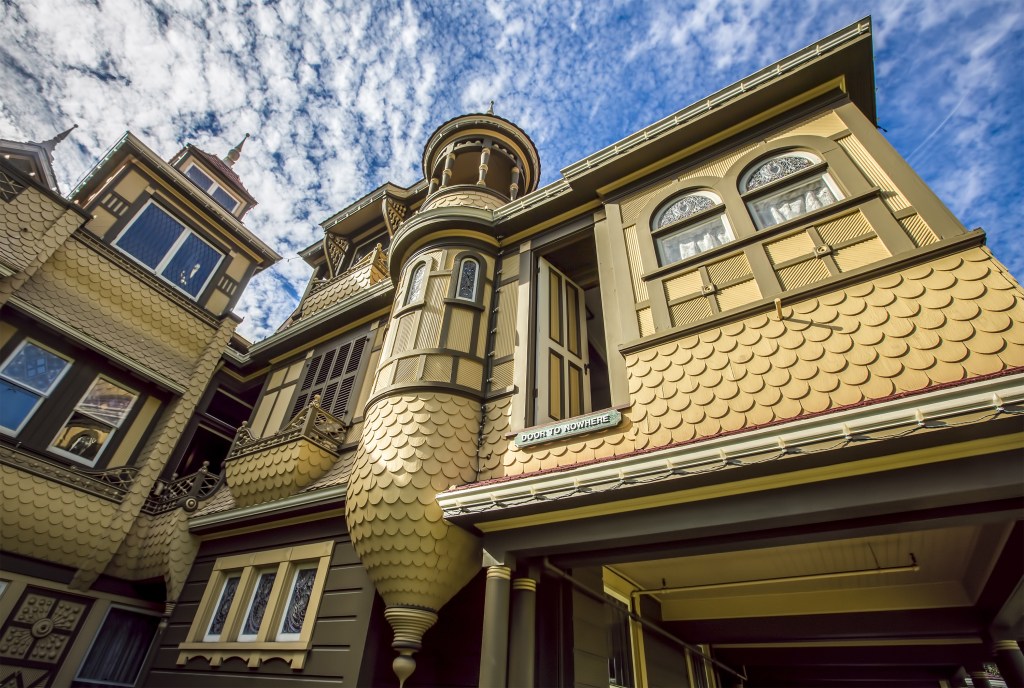
Nestled in the heart of San Jose, California, the Winchester Mystery House stands as a testament to a peculiar tale shrouded in mystery and intrigue. This enigmatic mansion, once the residence of Sarah Winchester, has fascinated visitors and historians alike for over a century. Its labyrinthine design, with staircases leading to nowhere and doors opening into solid walls, has puzzled experts and fueled countless legends. In this article, we shall delve into the history and legends surrounding the Winchester Mystery House, attempting to unravel the secrets behind its curious architecture.
The Winchester Mystery House’s story begins with the tragic life of Sarah Winchester, the widow of William Wirt Winchester, the heir to the renowned Winchester Repeating Arms Company. In 1881, Sarah lost her husband to tuberculosis, leaving her a vast fortune of over $20 million (equivalent to hundreds of millions today) and 50% ownership of the arms company. The shock of losing her husband and daughter (who passed away in infancy) took a toll on Sarah’s mental health, driving her to seek solace in the esoteric.
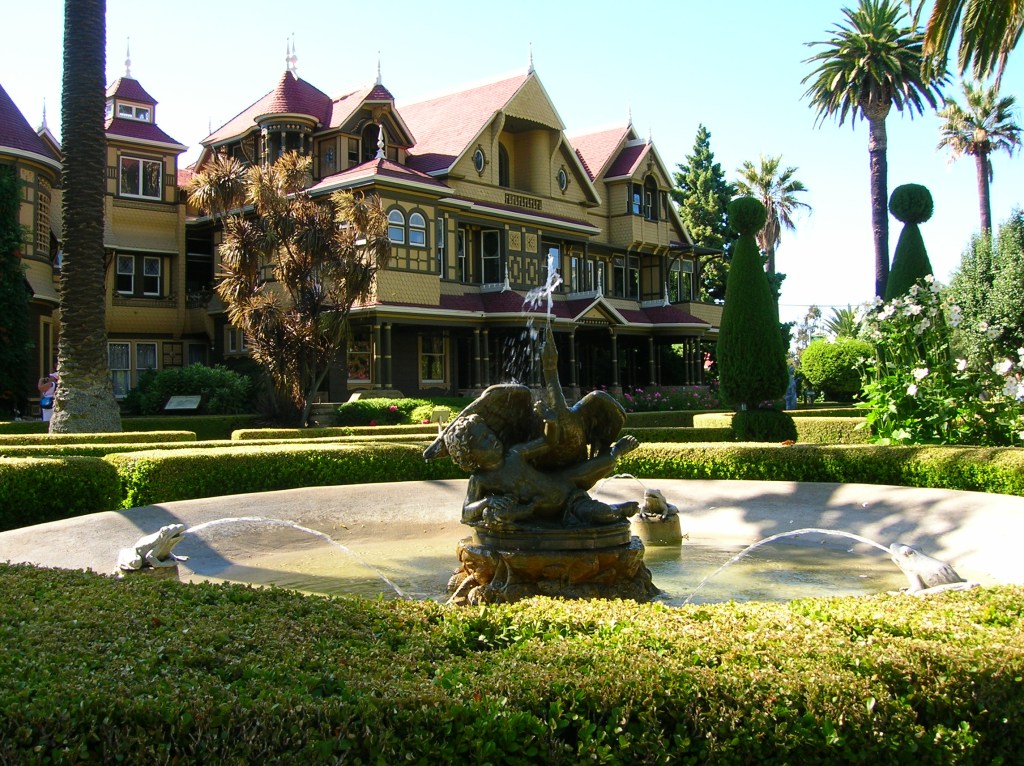
According to local legends and accounts from former staff and visitors, Sarah Winchester’s grief-fueled quest for peace led her to consult mediums and spiritualists. One popular belief suggests that a medium warned her that the spirits of those killed by Winchester rifles would seek retribution against her family. To avoid this fate, she was advised to continually build and expand her home to confuse the vengeful spirits. Consequently, construction on the mansion persisted 24/7, with workers adding new rooms, hallways, and staircases without a cohesive plan, resulting in the labyrinthine structure seen today.
The Winchester Mystery House’s architecture is a blend of Victorian and Queen Anne styles, but it is the eccentric features that captivate visitors. Staircases leading to ceilings, doors that open into walls, and windows overlooking other rooms are among the many curious elements that give the house its enigmatic aura. Some believe that these peculiarities were intentional attempts to confuse and deter malevolent spirits, while others view them as an architectural manifestation of Sarah Winchester’s troubled state of mind.
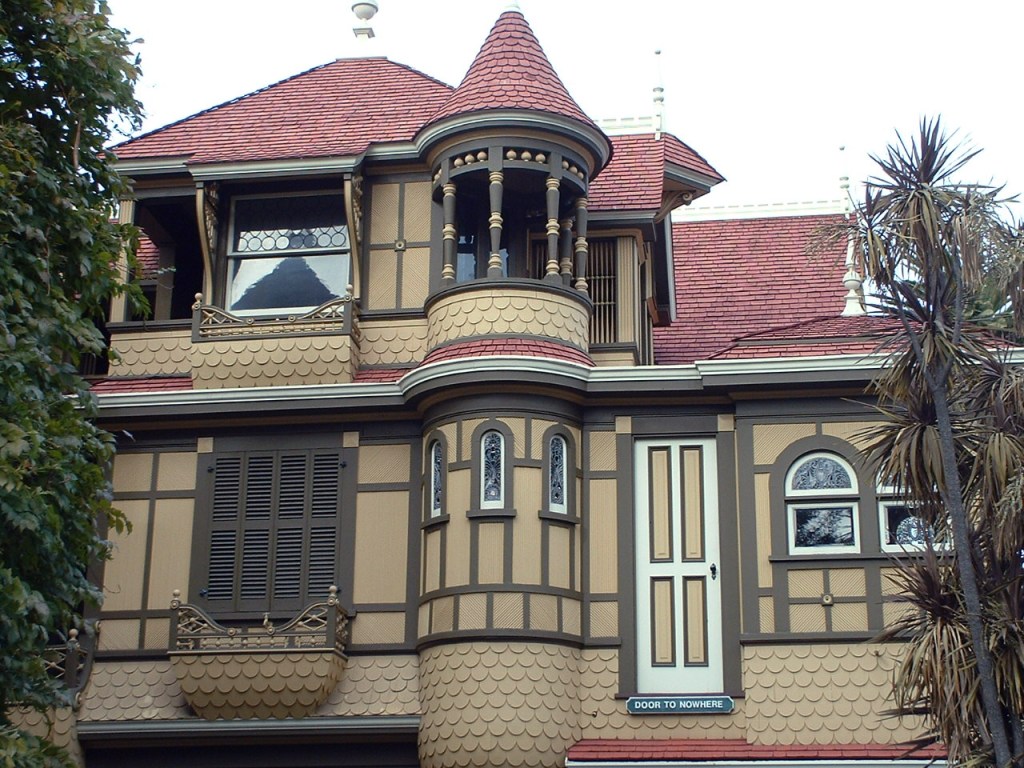
As construction on the mansion progressed, Sarah became increasingly reclusive, rarely venturing outside its walls. She communicated with her staff through notes and spoke to very few people. She slept in a different room each night, believing it would protect her from the spirits seeking revenge. This seclusion only added to the house’s mystique, as rumors of secret passageways and hidden rooms began to circulate.
Upon Sarah Winchester’s death in 1922, the mansion was inherited by her niece, who later sold the property to private investors. Recognizing its potential as a tourist attraction, the new owners opened the Winchester Mystery House to the public in 1923. Today, the mansion stands as a popular destination for tourists, history enthusiasts, and paranormal investigators seeking to unravel the mysteries that lie within its walls.
The Winchester Mystery House continues to be a captivating enigma, blending a fascinating history with an intriguing mix of architectural oddities. Whether the mansion was genuinely built to appease restless spirits or merely the result of Sarah Winchester’s emotional turmoil, it remains an enduring symbol of human curiosity and the quest to understand the unexplained. As visitors walk its winding hallways and explore its concealed corners, they become part of the story, perpetuating the legend of the Winchester Mystery House for generations to come.




 northamericanmysteries.com
Leave a comment